


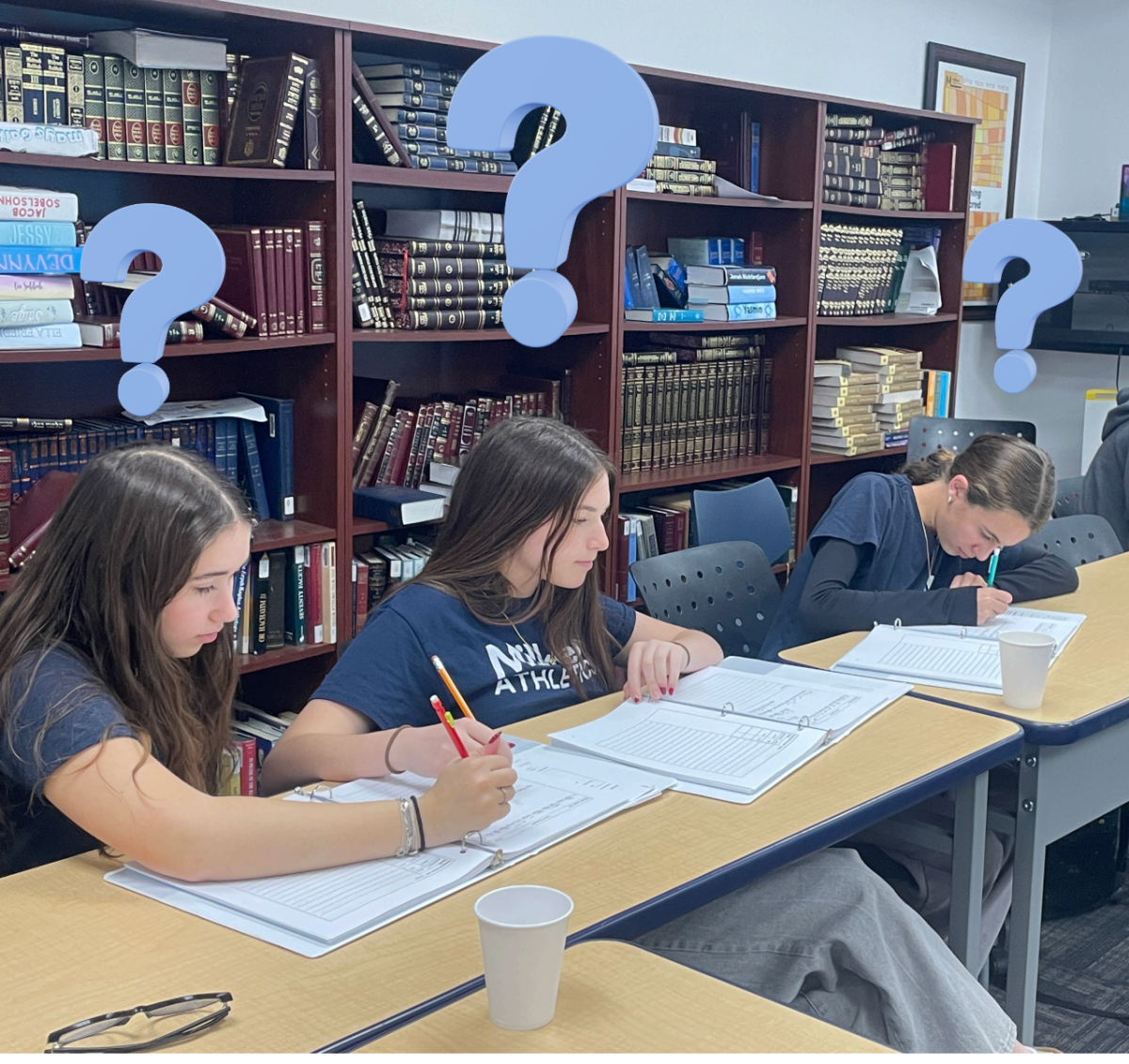
Every day, in class students have countless thoughts flowing through their minds. “I’m so hungry,” “I’m nervous for my game today” and other innocent, harmless ideas may cross their minds.
But that’s not all. Other, more important thoughts that they have – feelings and opinions they wish they could share with their teachers are left unspoken.
Although teachers and students form strong bonds, every student has comments, complaints and suggestions they wish they could share with their teachers.
We at the Roar decided it was time those comments, complaints, and wishes were heard. We spent the last several lunch blocks reaching out to students throughout the school and asked them what’s on their mind.
To be clear, students are generally very happy at Milken. You can feel it when you walk through the amphitheater at lunchtime – students enjoy being here. Nevertheless, to improve our community even more, the concerns of some students should be heard and considered.
Here’s what they told us.
One student had comments about the pace of his classes: “Class is at times not fast paced enough to pique my interest,” he explained, adding that it’s difficult to stay focused if the class sessions consist of only lectures.
Another said that a lot of “teaching methods did not work” for him. He recommended teachers try using a variety of formats of lessons instead of just the same one over and over.
Many students had feelings about the workload at Milken.
“I am overwhelmed with the workload,” said a student.
“I have too much work and sports,” said another.
One scholar even specified that “golf interferes with my performance in this class,” adding that “It is sometimes… too much to handle with so much to do every night.”
Another student said she did not feel respected in class.
“I did not know an answer to the teacher’s question,” she explained, “and she made me feel embarrassed in front of the whole class.”
Additionally, several students explained that when it comes to class participation, some days are better than others.
“If I look upset, I would prefer to not be called on in class,” said one.
“Even if it looks like I am not paying attention, I probably am,” said another.
One takeaway? It is imperative that teachers understand that the mental health of their students contributes to their attitudes in class.
To accommodate this, it is important that if a teacher notices a student acting irregularly, they should assume for the time being that the student is going through something. However, if the behavior continues, then intervention is acceptable. If students regularly have a lack of participation, it is understandable to call on them, but if they are oddly quiet teachers should consider respecting student needs and asking if they are okay.
Another student described a different issue with class participation.
“Sometimes I choose not to participate because I am scared of feeling stupid,” she said. Another student commented that many of his classmates share this concern.
Overall, it is necessary that the opinions of students are voiced, and that everyone is able to collaborate in how classes and school days are structured. Hopefully this article will help teachers understand the concerns of their students, and that this dialogue – anonymous though it may be – will help improve everyone’s learning experience at Milken.